Why You Can't Switch Off — Even When You Finally Have Time
By Keeley Matthews, Relational Psychodynamic Counsellor - 5 minute read
Relational psychodynamic counselling for high-achieving women in Epping, Essex, with in-person sessions in Loughton and online across the UK.
I used to go on holiday and find a computer.
Not because I had to. Not because anyone was chasing me. But because not working — not being available, not staying on top of things — felt worse than working. So I'd find a way back in. A hotel business centre. A borrowed laptop. Whatever it took to feel like I hadn't let anything slip.
At home it was the same. If I wasn't working, I was doing housework. And not just doing it — doing it to a standard, because anything less meant I wasn't keeping up, wasn't holding things together properly, wasn't being good enough at the part of my life that wasn't work. My partner could sit down without guilt. I watched that and felt something I couldn't quite name — something between envy and resentment — and told myself the problem was him, that he didn't notice what needed doing. It took a long time to understand that the problem wasn't him at all. He was fine. I was the one who couldn't stop. And what I was really feeling was something much closer to home than I wanted to admit.
The moment something shifted
It was lockdown that brought it into focus.
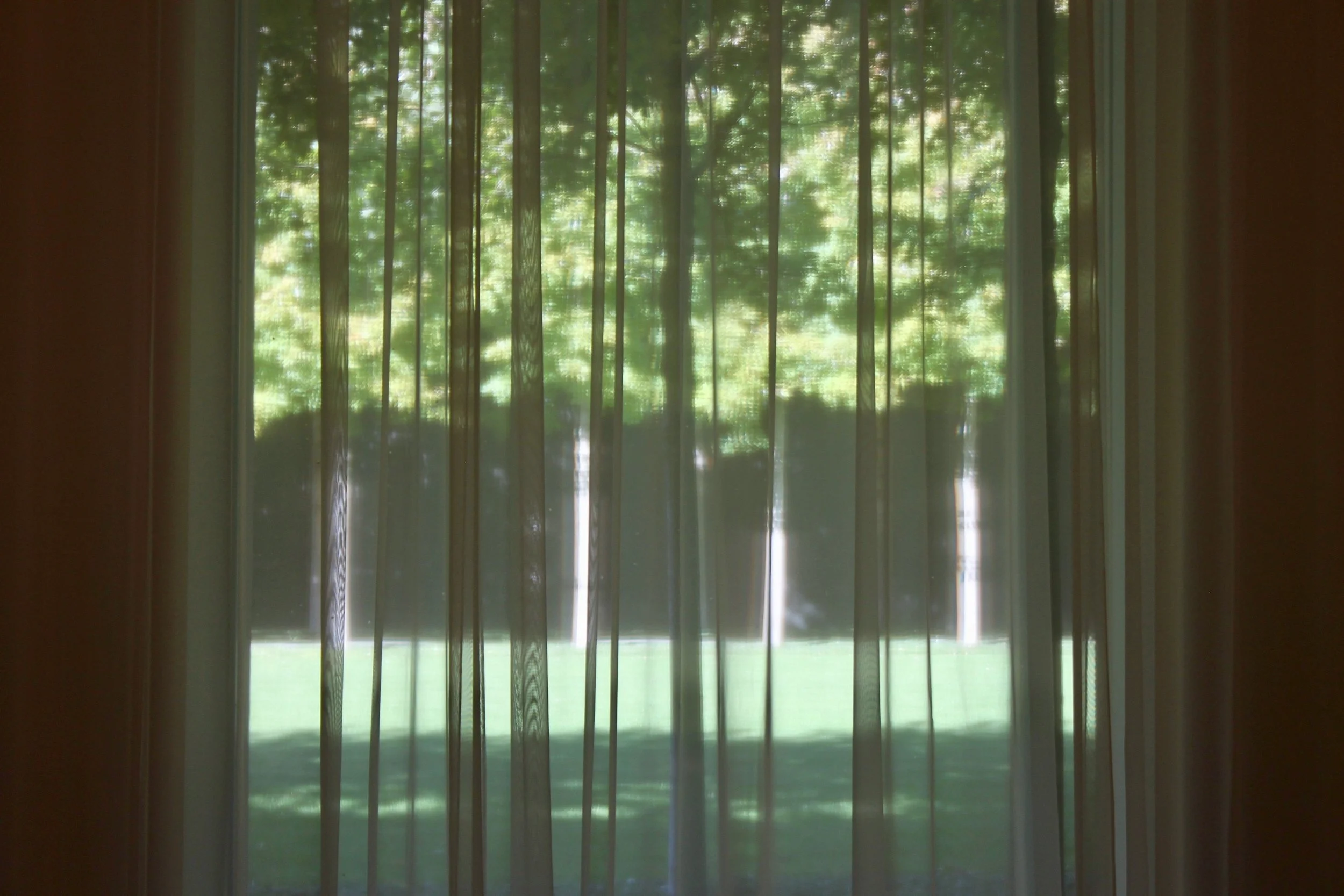
I was studying for my postgraduate diploma in psychodynamic counselling, working full time on top of that, and pushing through at the same relentless pace I always had. And I remember looking out at the common behind my house and watching people walk their dogs in the middle of the day — unhurried, just walking — and feeling something crack open slightly. I wanted that. Not the dog necessarily. But the slowness. The sense that life could have a different pace to the one I'd been living at for as long as I could remember.
I didn't have anything in my life that was purely pleasurable. No hobby that took me out of my own head. Nothing that existed just for me. I'd known that for years, quietly, and kept moving anyway.
What was underneath the motion
As my own therapy progressed — slowly, over time — I began to understand what all that movement had been protecting me from.
The fear that things would fall apart.
Not a rational, specific fear. Something older than that. A deep sense that if I stopped holding everything together, something would give. That the structure of my life depended on me staying on top of it, staying useful, staying in motion. Rest wasn't just uncomfortable. It felt, on some level, like a risk.
What I hadn't seen — couldn't see, from inside it — was how much of that fear was my own projection. My partner wasn't judging me for sitting down. He wasn't keeping score. The guilt I felt when I rested was mine. The sense that I hadn't earned it was mine. The belief that everything depended on me never stopping was mine too, and it had been there long before he was.
Understanding that didn't change it overnight. But it was the beginning of something loosening.
What loosening actually felt like
It didn't feel dramatic. It felt like small things, noticed slowly.
The tension in my shoulder that I'd carried for years — and attributed to posture, to stress, to just how I was — quietly disappeared. I noticed it was gone before I understood why. I began to realise I didn't need to respond to every email the moment it arrived. That saying no when I didn't have the capacity wasn't a failure — it was just honest. That my relationships had more space in them than they used to. That I had more space in me.
I'm still working towards some of it. The slow walk on the common on a weekday morning — that particular image of the life I want — isn't quite here yet. But I can lose myself in a book now. I can get absorbed in a TV series without the background hum of what I should be doing instead. I can go to the gym and be fully there, not half-present and half-elsewhere.
That might sound small. It isn't.
What this might be about for you
If you recognise any of this — the inability to stop, the restlessness when you do, the faint sense that rest has to be earned before it's allowed — it's worth asking what the motion has been protecting you from.
Not in a critical way. With curiosity.
Because for most of the women I sit with, the busyness isn't really about the work. It's about what stopping might bring up. The feelings that don't have space to surface when you're always moving. The questions about who you are when you're not being useful to someone. The fear, quiet but persistent, that if you loosen your grip, something will fall.
Those things don't shift through trying harder to relax. They shift through understanding — through finding out what's underneath the busyness, and whether it still needs to be there.
That's what I offer — you can read more about how I work here. Not a way to become less capable, but a way to carry less of the cost.
If this resonates, you might want to read the rest of the series:
→ Why High-Achieving Women Struggle to Ask for Help→ The Hidden Cost of Being the 'Capable One'→ Why You Feel Like an Imposter — Even When You're Not→ The Exhaustion Nobody Sees→ When Your Head Won't Go Quiet
If any of this resonates, you're welcome to find out more about how I work — or to book a free 15-minute consultation. It's just a conversation, with no pressure to commit to anything.
I offer both in-person sessions in Loughton and online-therapy across the UK.
If this feels familiar, you're not alone in it.
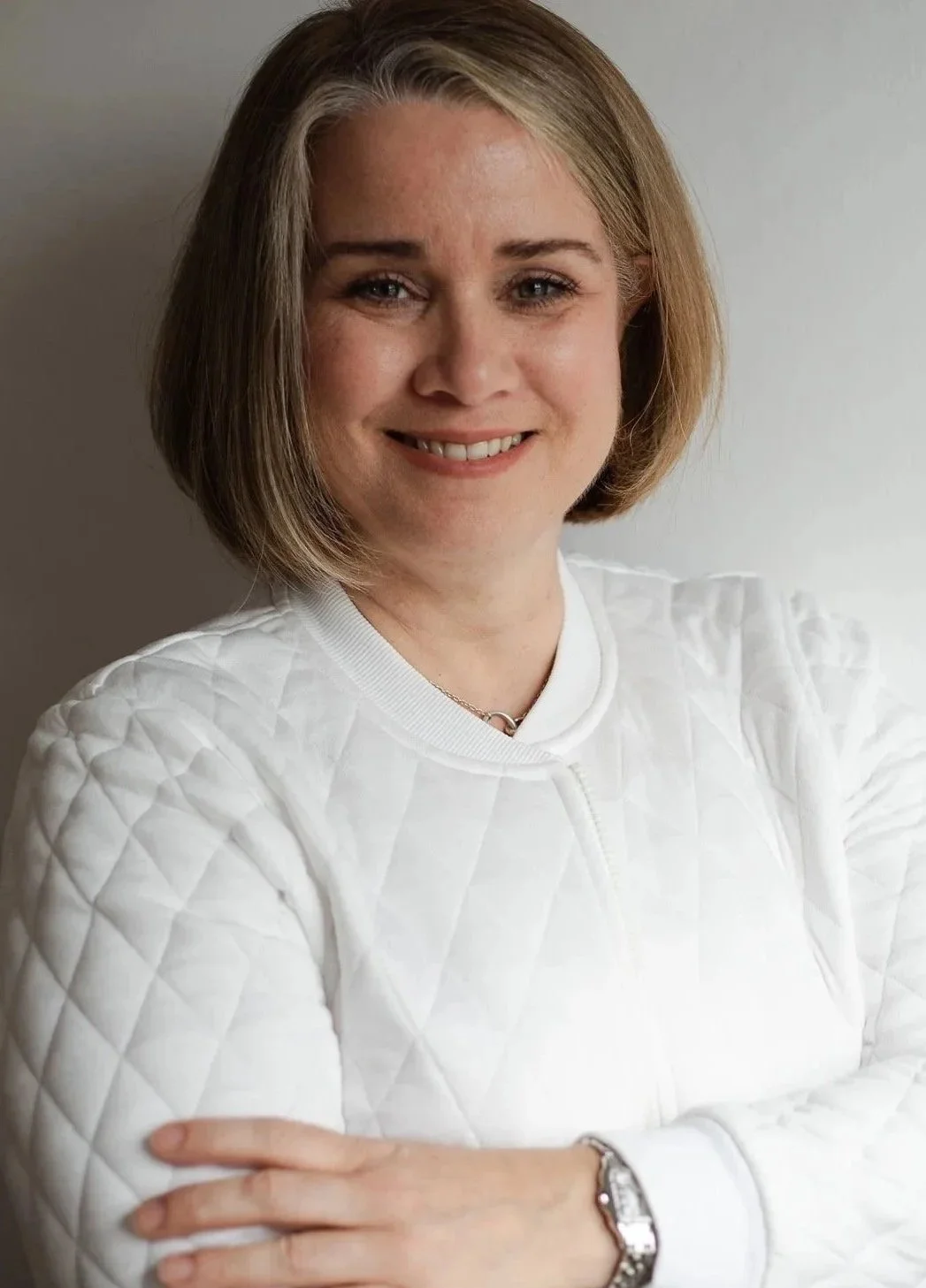
Keeley Matthews
The RelationSHIFT Counsellor
Keeley Matthews is a relational psychodynamic counsellor holding a Post Graduate Diploma in Psychodynamic Counselling and is a member of the BACP. She works with high-achieving women in Loughton and online across the UK — and has lived experience of the patterns she writes about. She knows what it is to build defences that work, and what it takes to understand what they cost you.
In brief: The inability to switch off — even on holiday, even when there's nothing urgent — is rarely about poor discipline. For many high-achieving women it's the mind and body staying in motion because stopping feels, on some level, like a risk. Finding out what the busyness has been protecting you from is usually what allows it, slowly, to loosen.
Relational psychodynamic counselling in Loughton, Essex and online across the UK — or the women who are still finding their way back to a slower pace, and know it's time.