Why High-Achieving Women Struggle to Ask for Help — and What It Costs Them
By Keeley Matthews, Relational Psychodynamic Counsellor - 4 minute read
Relational psychodynamic counselling for high-achieving women in Epping, Essex, with in-person sessions in Loughton and online across the UK.

It doesn't always look like struggle.
Often, it looks like coping. Like getting on with things. Like being the one others rely on.
And quietly, not asking for help.
When capability becomes identity
Being capable isn't just something you do — it's something you are.
It became part of the story told about you, often from a very young age.
Perhaps you were the responsible one. The one praised for coping, for not making a fuss, for figuring things out independently. Perhaps you learned early that being needed felt safer than being needy — that your value lay in what you could manage, rather than in simply being.
Over time, this builds something solid around you.
For many women, this way of coping runs deep — often without being fully understood.
On the outside, it looks like strength. From the inside, it can feel like a performance you're no longer sure how to step down from.
Asking for help — really asking, in a way that admits you're not coping — can feel like it threatens the whole structure.
If you're starting to recognise yourself in this, you can find out more about working with women in and around Epping here.
The unspoken rules
Most of us carry rules about how we're allowed to be. Not rules we chose — rules we absorbed, usually long before we had the language to question them.
Two of the most common ones I hear, in different words but always the same shape: I should be able to handle this on my own. And underneath that, quieter and harder to say: If I admit I'm not coping, I'll lose the one thing that makes me feel safe — being the capable one.
These rules feel like common sense. Sometimes they even feel like self-awareness. But they're rarely either. They're usually old strategies — ways of moving through the world that made complete sense once, and have simply never been examined since.
What it costs
The effort of not asking for help is enormous — even when it doesn't look that way.
It shows up as a background hum of anxiety. A difficulty switching off. A sense of always scanning for what still needs to be done.
It shows up in relationships too — giving generously, but finding it hard to receive. A slow accumulation of tiredness, or resentment, or both.
And it shows up in the relationship with yourself.
When worth is measured by what you achieve and how well you cope, any moment of struggle can feel like evidence of inadequacy. Rest begins to feel like laziness. Vulnerability becomes something to be managed rather than allowed.
And it tends to get heavier over time, not lighter.
(This pattern often sits alongside a sense of not quite feeling like you're enough — I write more about that over here.)
Why understanding helps more than advice
It can be tempting to treat this as a problem to solve.
Ask for help more. Set better boundaries. Be kinder to yourself.
These are reasonable suggestions. They're also, for most of the women I work with, almost impossible to sustain — because the behaviour isn't really a choice. It's a pattern. And patterns have histories.
I know this from the inside as well as the consulting room. The defences I built in response to early loss and abandonment didn't feel like defences at the time. They felt like surviving. It took years — and eventually my own therapy — to understand what they were costing me in my relationships with myself and with others.
This is what relational psychodynamic work makes space for. Not strategies. Not a better list of coping tools. But a genuine understanding of where the pattern began — what it was protecting you from, and whether it still needs to.
When that understanding develops — really develops, not just intellectually — something shifts. Not overnight. But in a way that actually holds.
A different kind of strength
Asking for help — truly allowing yourself to be seen in the places you've kept carefully hidden — requires a different kind of courage than the kind high-achieving women are usually praised for.
Not the courage of pushing through.
The courage of slowing down.
Of letting the carefully maintained image of capability soften, just enough to let something real in.
Many of the women I work with describe this as the most difficult thing they've ever done.
They also describe it as the thing that changed everything.
If any of this resonates, you're welcome to find out more about how I work — or to book a free 15-minute consultation. It's just a conversation, with no pressure to commit to anything.
I offer both in-person sessions in Loughton and online-therapy across the UK.
If this feels familiar, you're not alone in it.
Continue reading
If this resonates, you may want to read the next piece in this series:
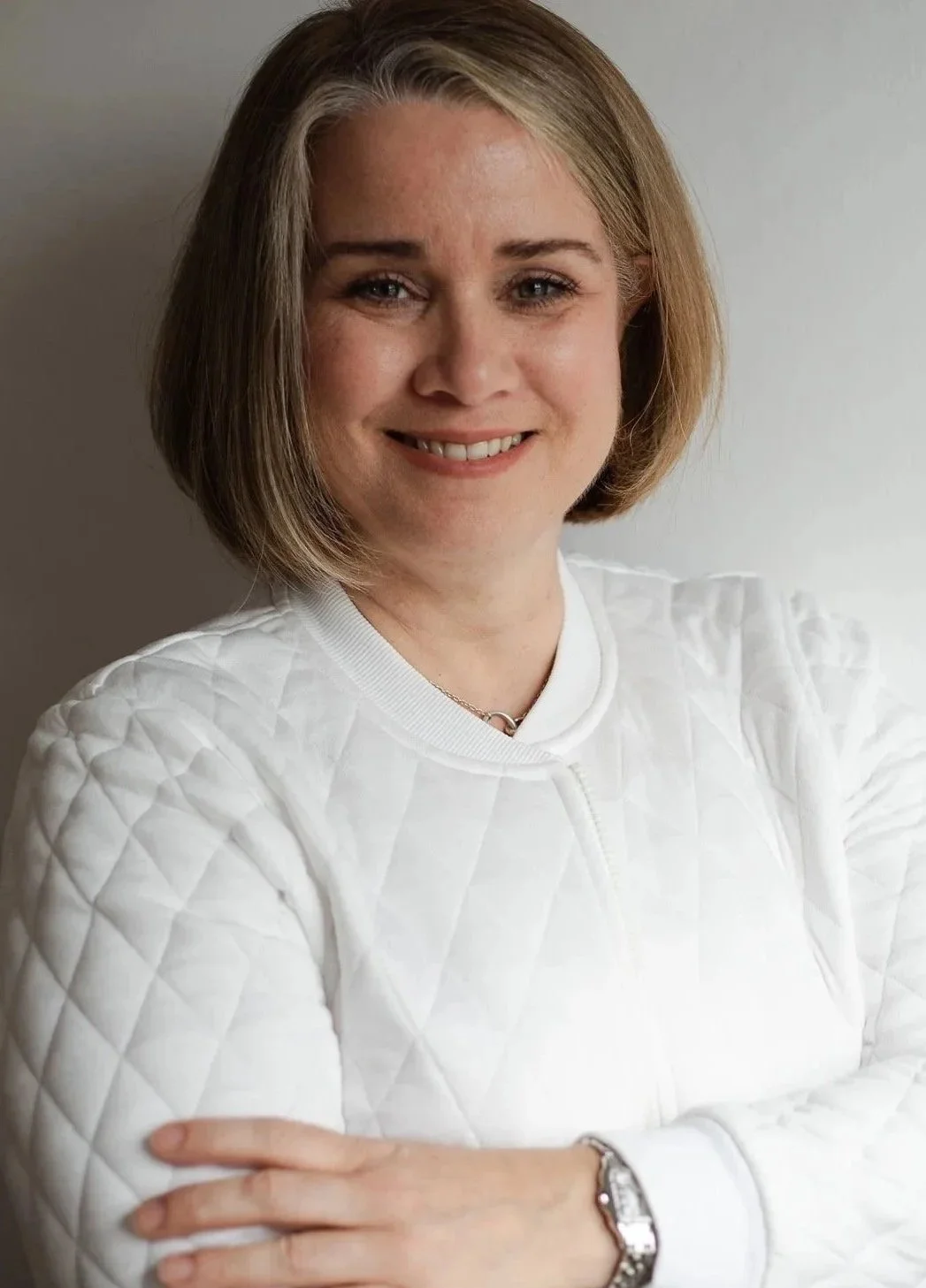
Keeley Matthews
The RelationSHIFT Counsellor
Keeley Matthews is a relational psychodynamic counsellor holding a Post Graduate Diploma in Psychodynamic Counselling and is a member of the BACP. She works with high-achieving women in Loughton and online across the UK — and has lived experience of the patterns she writes about. She knows what it is to build defences that work, and what it takes to understand what they cost you.
In brief:For many high-achieving women, not asking for help isn't a choice — it's a pattern rooted in early experience. When being needed felt safer than being needy, asking for support can feel like a threat to the very identity that's kept things functioning. Understanding that pattern, rather than trying to override it, is usually what changes it.
Relational psychodynamic counselling in Loughton, Essex and online across the UK — not to become less capable, but to carry less of the cost.